


Companies differ in their processes just like their employees themselves.
Digital collaboration, once limited to face-to-face meetings, has become a key enabler of working efficiently in the digital age. Communication no longer only takes place in the office, but also virtually via platforms such as Microsoft Teams. Collaboration spans geographic boundaries, while employees can work on projects from anywhere. But despite this progress, companies face challenges that need to be overcome.
We understand that the future of the workplace is virtual and that effective digital collaboration is far more than just the use of technology. In this context, we would like to guide you through the key factors and solutions to master the challenges of digital collaboration. From overcoming the challenges of working from home, to keeping your company data secure, to solutions like Microsoft 365 that enable seamless and secure collaboration, we’re helping to shape the future of work.
Digital Collaboration
and communication is the basis for successful and committed employees, who in turn are the basis for a competitive company.
Source: Microsoft Work Trend Index
The challenge of digital collaboration
Limited resources
Small and medium-sized enterprises (SMEs) in particular often have limited financial and IT resources to implement comprehensive digital infrastructures.
Cultural change
Adapting to digital working models requires a cultural shift to ensure that employees accept and actively use the changes.
Technological know-how
The lack of technological know-how within the team can hinder the effective use of digital tools and platforms.
Effective training
Training employees on new digital tools is crucial to ensure they can use the technologies efficiently.
Interoperability
The smooth integration of different digital solutions is a challenge to ensure effective information exchange.
Privacy and security
SMEs must ensure that their digital working models and platforms meet strict data protection and security standards.
Communication challenges
Virtual communication can lead to misunderstandings, as non-verbal signals are often lost.
Choosing the right tools
Choosing the right digital tools is crucial to meet the specific needs of the business and increase efficiency.
The Art of Remote Work
The introduction of remote work and digital collaboration, e.g. in the home office, undoubtedly brings a variety of benefits, but there are also specific challenges associated with this change. The transition to remote-based work models presents companies with the challenge of creating a virtual environment that is not only efficient but also secure. The lack of physical presence can lead to communication hurdles, as non-verbal signals are often lost. Employees will need to adapt to new digital tools and platforms, which may require additional training. The selection and integration of these tools must be strategic to ensure interoperability and a smooth exchange of information. The security of sensitive data in a decentralized environment is a key concern, and organizations need to implement robust data protection measures. In addition, remote work requires clear structuring to ensure employees stay motivated and productive. Tackling these challenges requires a holistic approach that takes into account both technological and cultural aspects. This requires tailor-made solutions that not only meet the technical requirements, but also take into account the individual needs and challenges of the employees and the company.
The (digital) solution for effective collaboration
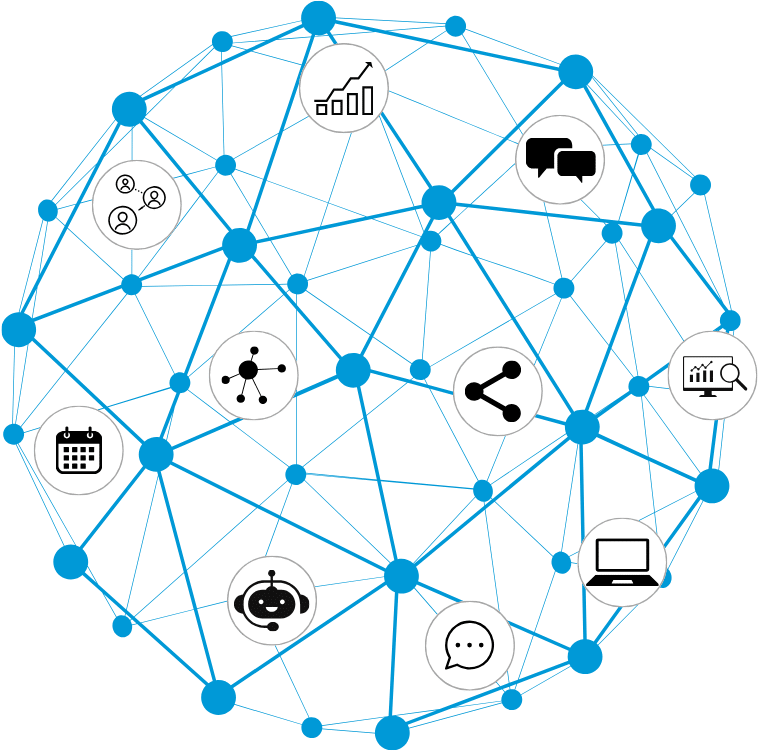
Using a digital collaboration tool or software is a crucial step towards efficient and flexible ways of working. These tools create a virtual platform where team members can communicate and collaborate seamlessly, regardless of their location. Whether it’s project management tools, virtual meeting platforms, or file-sharing applications, they provide a one-stop shop for all aspects of teamwork. The use of such tools enables real-time communication, sharing of documents and resources, and tracking of work progress. Collaboration becomes more effective as teams are able to collaborate on documents, provide feedback, and see changes in real-time. The benefits extend across geographical boundaries, which is particularly important in a globalised world of work. Despite the numerous benefits, choosing the right tool is crucial to meet a company’s specific needs and ensure a smooth integration.
Digital collaboration and the security of your data
Data protection and security measures should be an integral part of any digital work strategy to ensure the integrity and confidentiality of company information. Comprehensive encryption of data transfers and storage is essential to prevent unauthorized access.
Identity management and access controls also play a crucial role. It is important to ensure that only authorized people can access sensitive information. This includes the use of strong authentication methods and the regular verification of access rights.
After all, regular updates of software and security protocols are essential to be prepared for emerging threats.

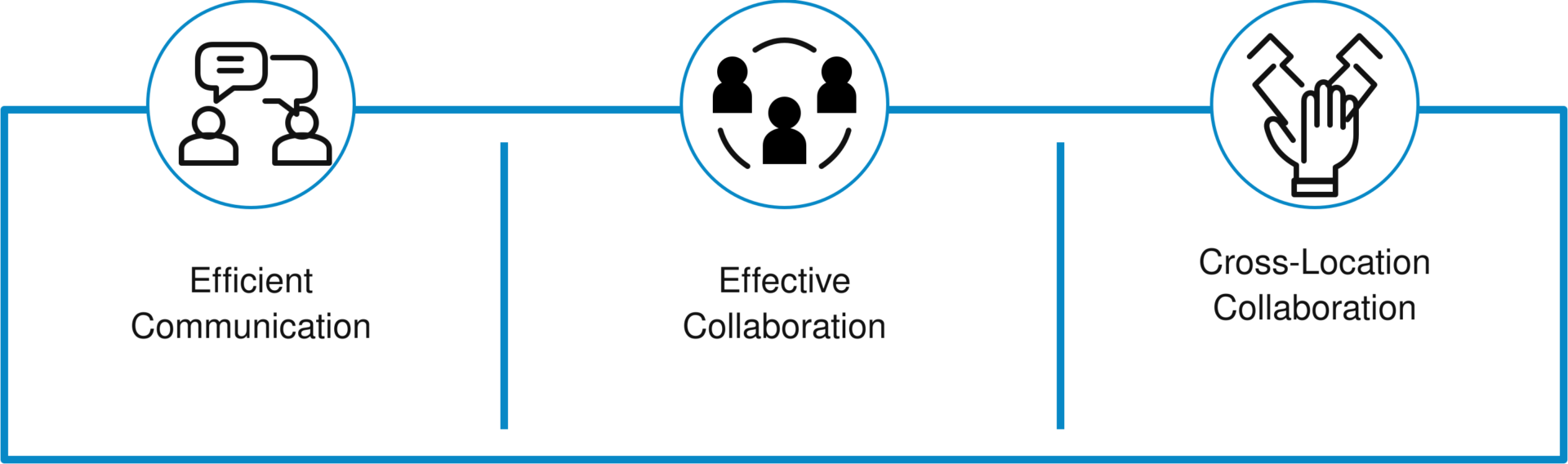
- Increased efficiency: Teams can work more efficiently by sharing information quickly and streamlining processes.
- Flexibility: A flexible way of working, regardless of physical locations, is made possible, which is especially important in the context of remote work.
- Real-time communication: Real-time communication facilitates the exchange of information and ideas between team members.
- Global teamwork: Teams can collaborate across geographic boundaries, fostering diversity of perspectives and skills.
- Cost savings: The need for physical resources is reduced, allowing for cost savings in terms of travel and office equipment.
- Save time: The ability to work on documents simultaneously and provide real-time feedback leads to accelerated decision-making and project delivery.
- Better use of resources: Digital tools optimize the use of resources such as time, files, and information.
- Increased innovation: Teams can more easily share ideas and collaborate on solutions.
- Scalability: Organizations can respond flexibly to change and scale more easily as the team grows.
- Sustainability: By reducing travel and paper consumption, digital collaboration contributes to sustainability and environmental protection.
Features of the Microsoft 365 solution
Integrated communication and collaboration
Microsoft 365 solutions provide seamless integration of communication and collaboration tools. Microsoft Teams acts as a central platform for video conferencing, chat, and file sharing, allowing teams to effectively communicate with each other and collaborate on projects. Real-time document collaboration in applications such as Word, Excel, and PowerPoint allows multiple users to make changes and provide feedback at the same time, streamlining the creative process. OneDrive and SharePoint allow files to be securely stored and shared with team members, while advanced security features ensure sensitive data is protected.
Dynamics 365: Your all-in-one solution for business success
The Microsoft Dynamics 365 Suite offers a holistic solution for the digital transformation of companies. From Dynamics 365 Sales for efficient customer relationship management, to Dynamics 365 Customer Insights (formerly Dynamics 365 Marketing) for targeted marketing, to Dynamics 365 Customer Service for best-in-class customer support, this suite covers all aspects of doing business. This is complemented by Dynamics 365 Project Operations, which streamlines project management and operations. With the application for Dynamics 365 Field Service , you can use your resources efficiently and increase customer satisfaction for your field service. With HR Management for Dynamics 365 , you can map the entire employee cycle in one application. These integrated solutions enable organizations to operate seamlessly between different business units, make informed decisions, and increase their overall operational efficiency. On our landing page for Dynamics 365 you can also learn more about the other solutions of this platform.